Skip to content
MAKSHERBAL

MAKS Herbal · From the Himalaya to human consciousness

Rooted in nature.Refined by knowledge.

Botanical formulations shaped by four decades of Himalayan field research, careful cultivation, and a deep respect for the plants that make them possible.

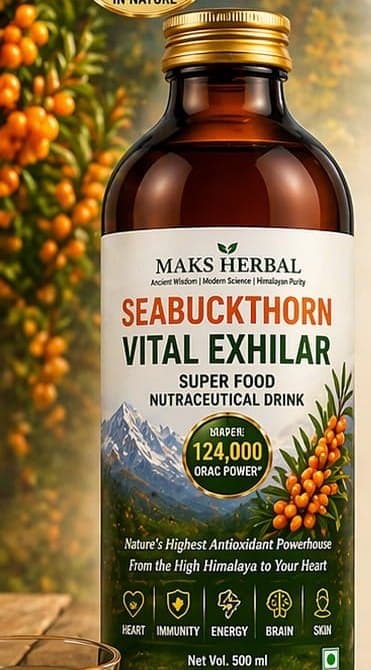
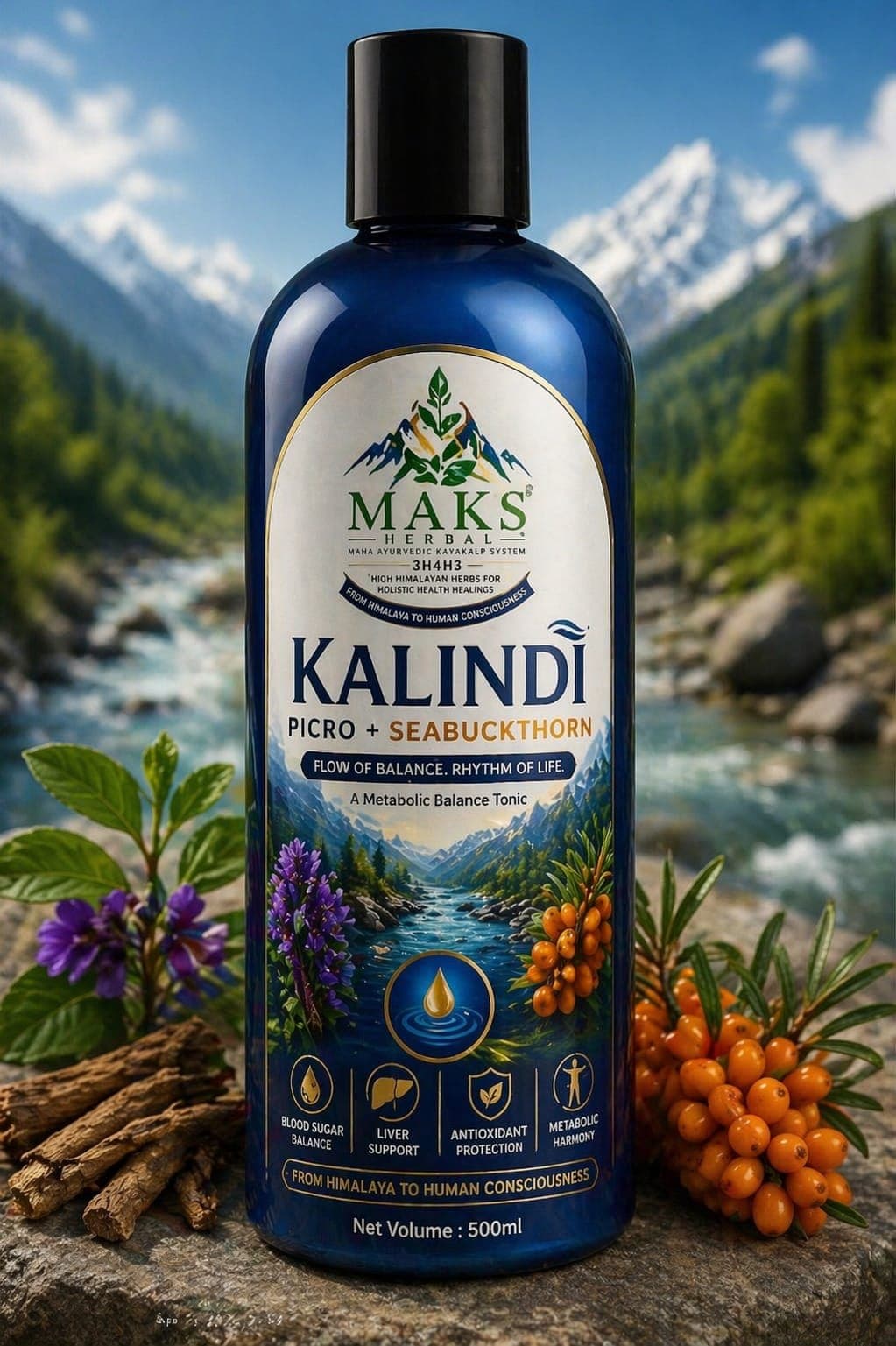
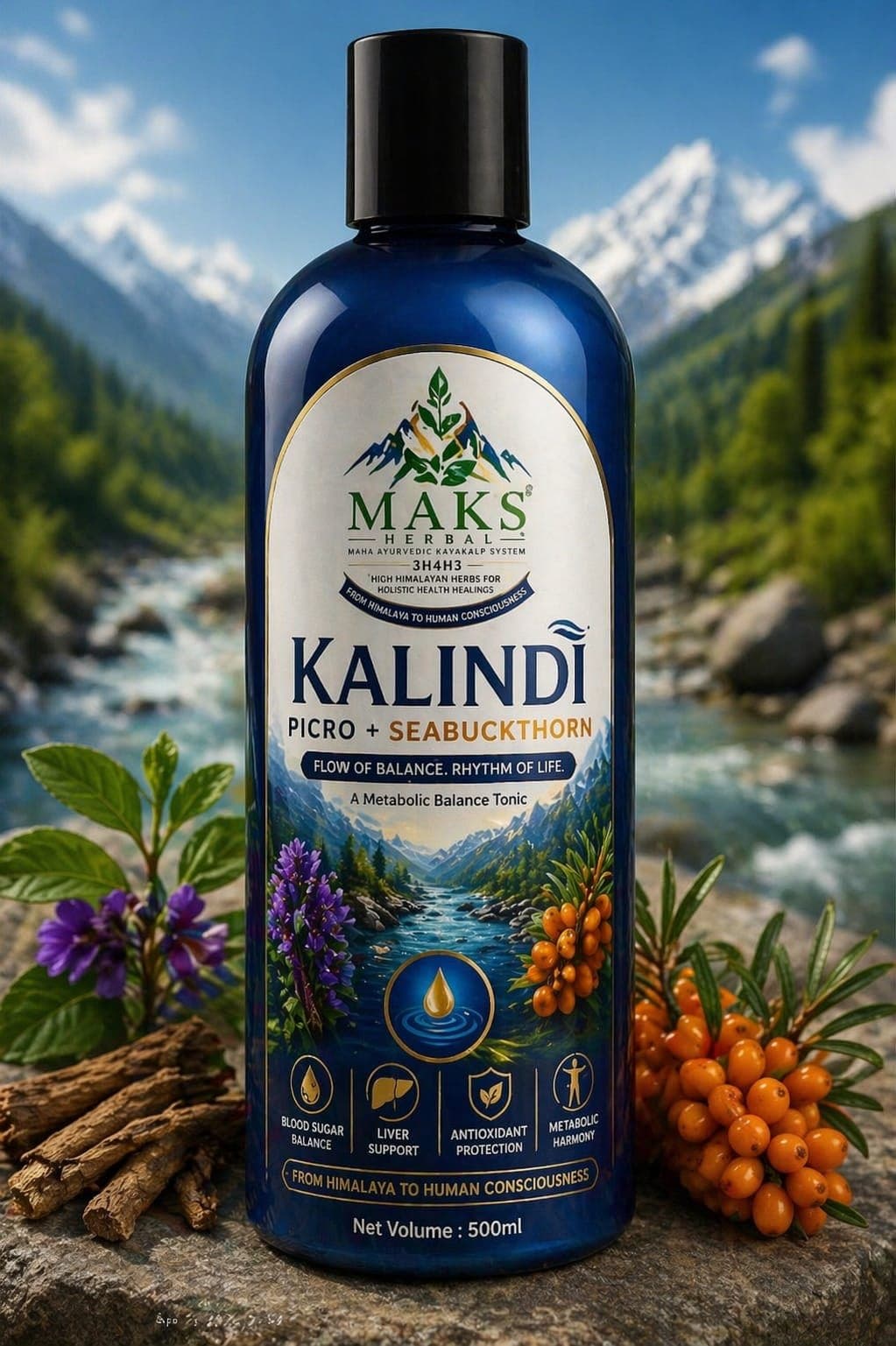
A MAKS Herbal formulation beside a Himalayan mountain stream
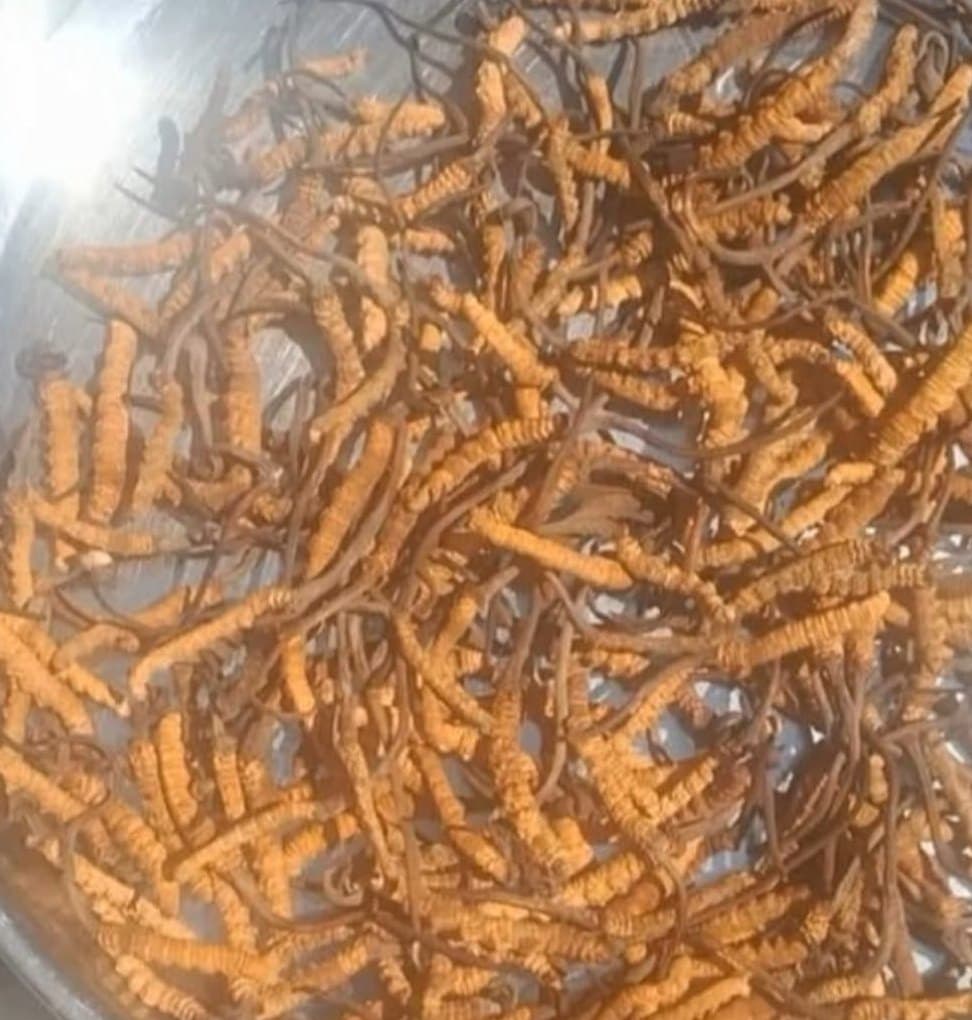
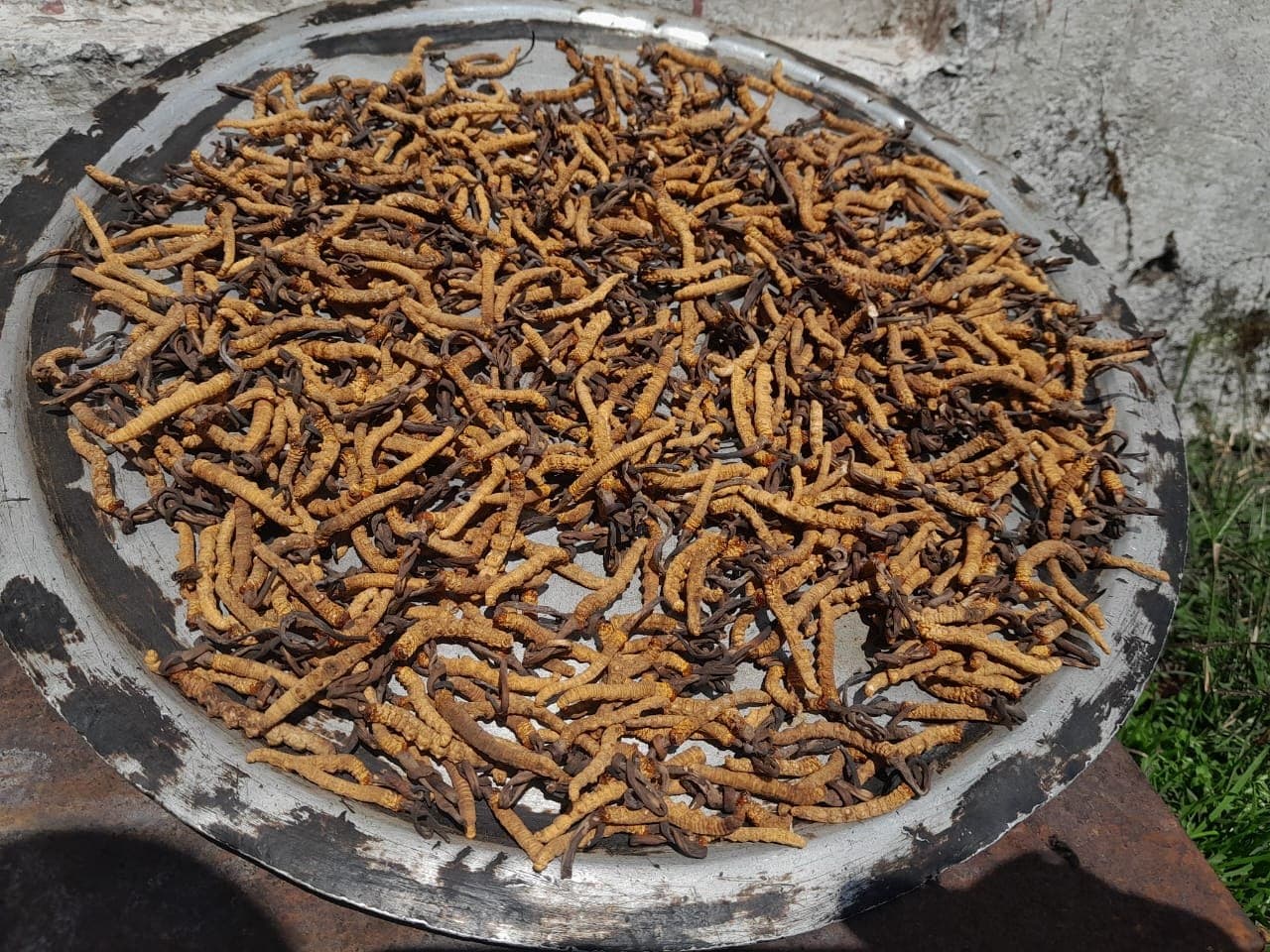
A season's wild harvest, sun drying on a tray
From our own harvest
Years of Himalayan field research
40+
Years of Himalayan field research
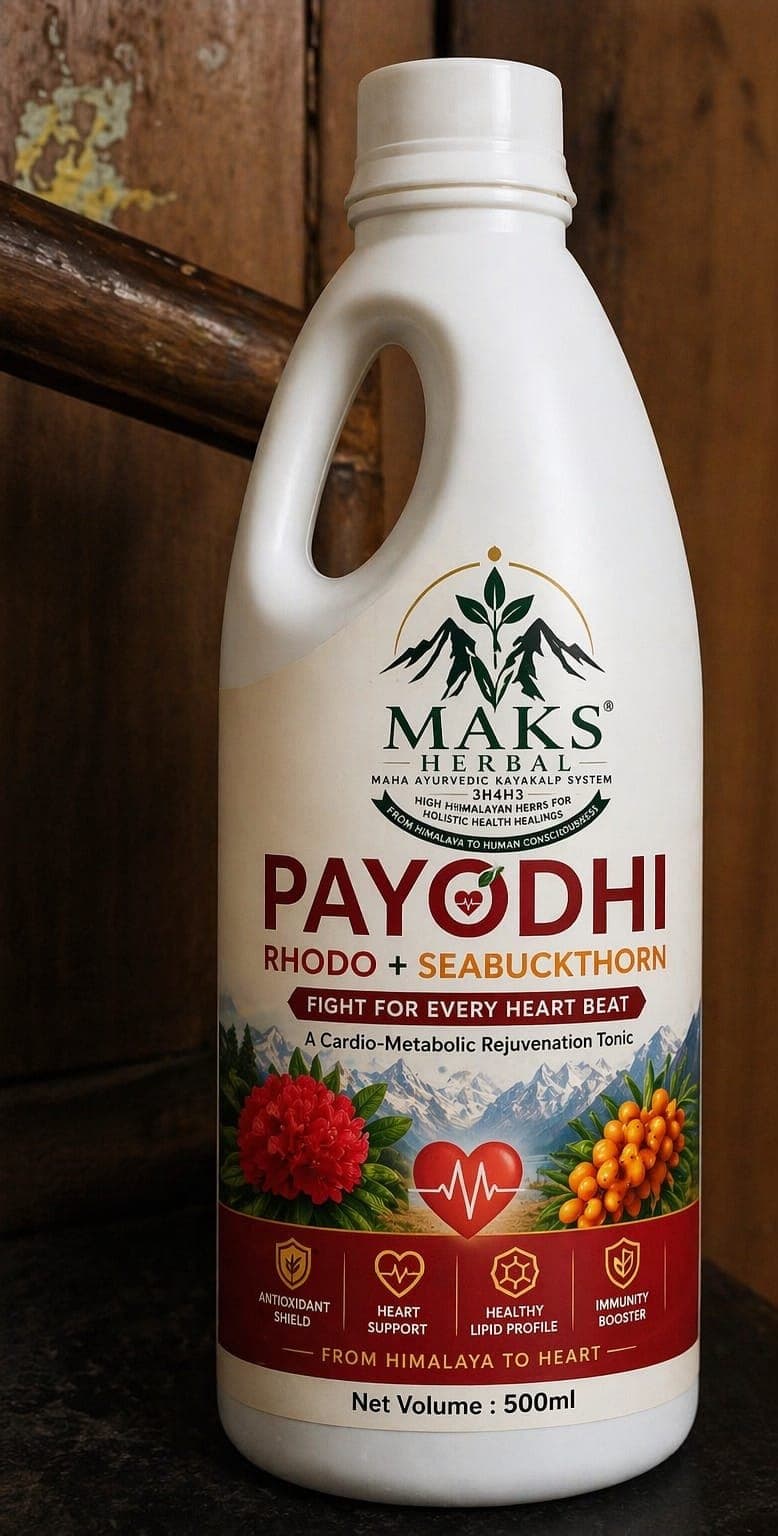
Payodhi first shared with families
2015
Payodhi first shared with families
Altitudes our botanicals come from
3,000 m+
Altitudes our botanicals come from
Cultivated in Uttarakhand's valleys
Own farms
Cultivated in Uttarakhand's valleys

Our belief

Plants have always had a story.We believe the responsibility lies in understanding it.

MAKS Herbal began not as a brand, but as a life spent among Himalayan plants — walking the slopes where they grow, learning from the communities who have known them for generations, and growing them ourselves. Every formulation carries that understanding. Healing, to us, is not a product. It is a restoration of nature within you.

Our story in three chapters

A relationship with plants that began long before the bottle.

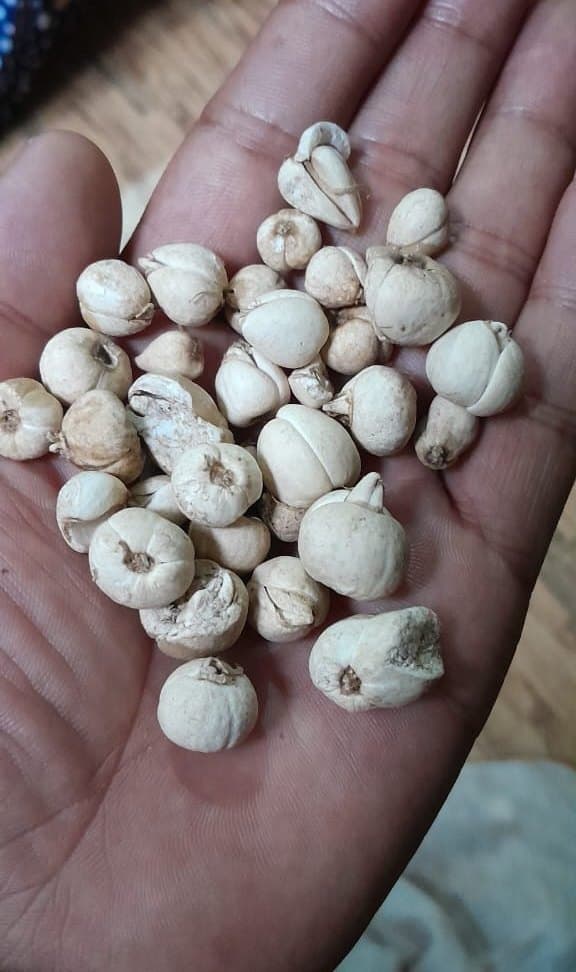
A palm holding freshly harvested wild Himalayan garlic
IOur Vision

To build a deeper relationship between people and the plants around them.

We imagine a future where the knowledge of Himalayan plants is not lost, but lived — where traditional wisdom, responsible cultivation and modern understanding come together to create herbal products that people can trust completely.

A future where the forests and meadows that hold these plants are conserved, the communities who know them are valued, and every person who takes a formulation knows exactly where it came from.
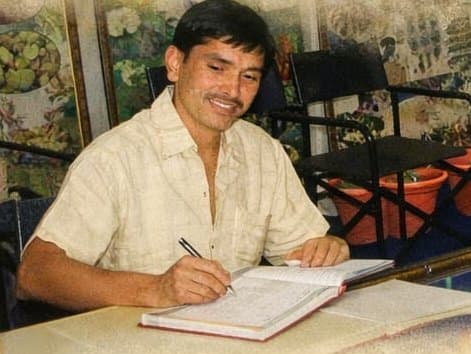
Dr. Arun Kumar Badoni, founder of MAKS Herbal, at work on his research notes
IIOur Mission

To understand each plant deeply — and formulate with integrity.

We work towards that vision by studying plants where they grow, cultivating them responsibly rather than exploiting the wild, and formulating with the care of classical Ayurveda and the discipline of modern phytochemistry.

  • Respect for traditional knowledge
  • Responsible, cultivated sourcing
  • Thoughtful, evidence-aware formulation
  • Transparency about every ingredient
  • Quality over quantity, always
  • Botanical wellness, accessible with integrity
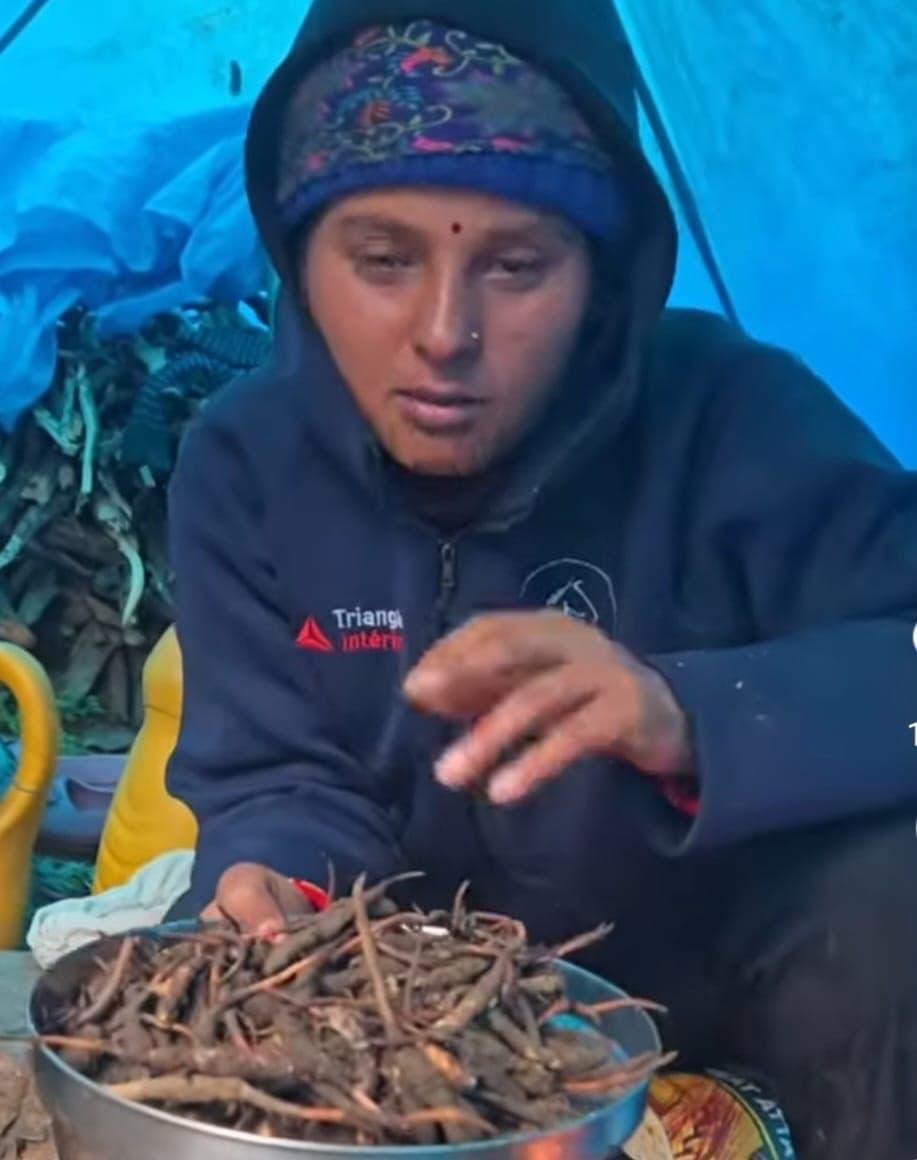
Freshly gathered Himalayan roots being sorted by hand at a high-altitude camp
IIIOur Action

From the farm to the formulation.

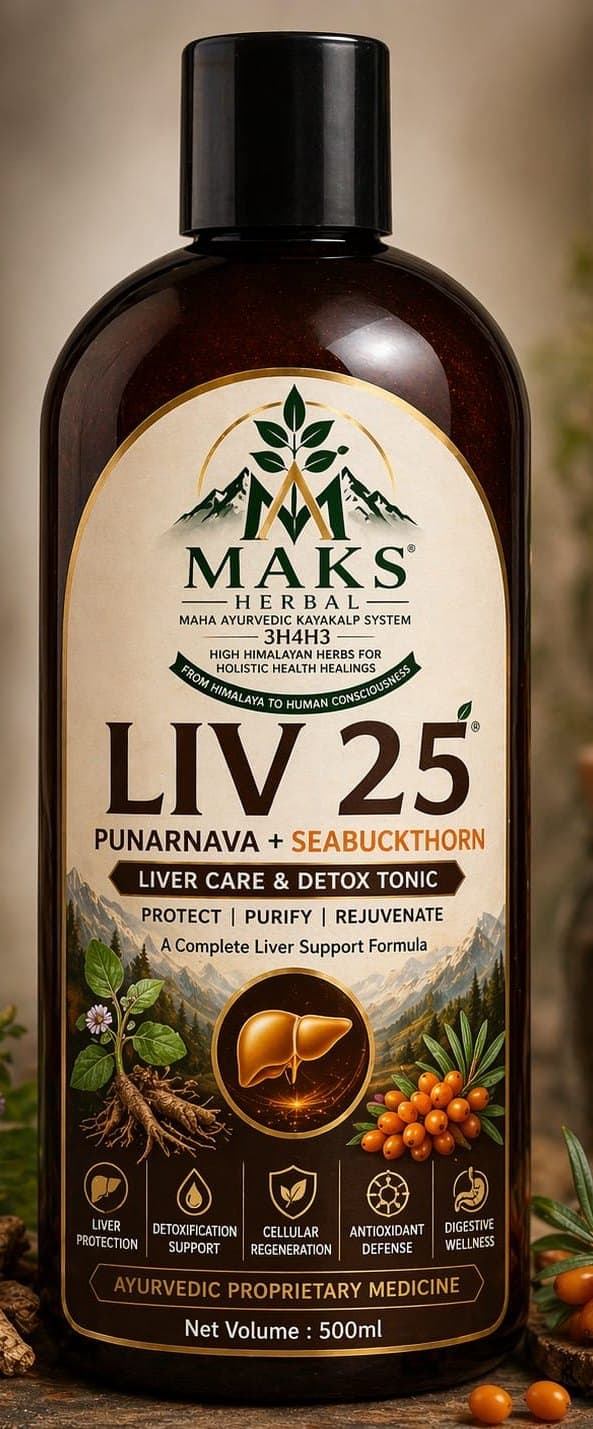
Our relationship with a plant begins in the soil. Spikenard, seabuckthorn and other Himalayan botanicals are cultivated at our own plots in the Har ki Doon valley, near Kedarkantha, and our formulations are prepared at Sherwala Top in Uttarkashi — close to where the plants grow.

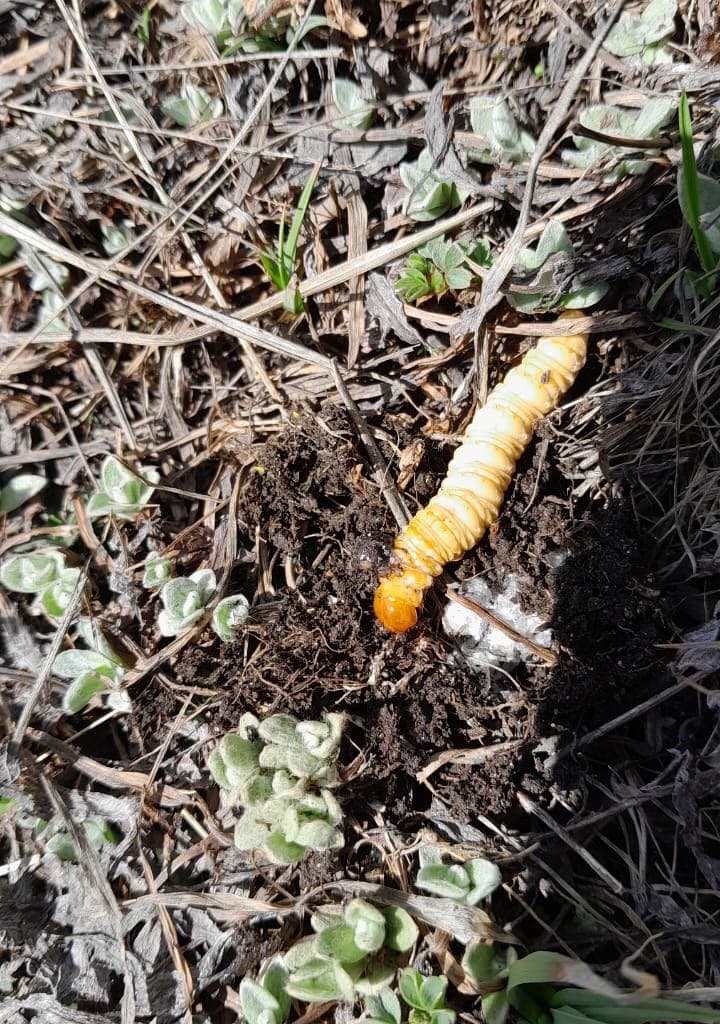
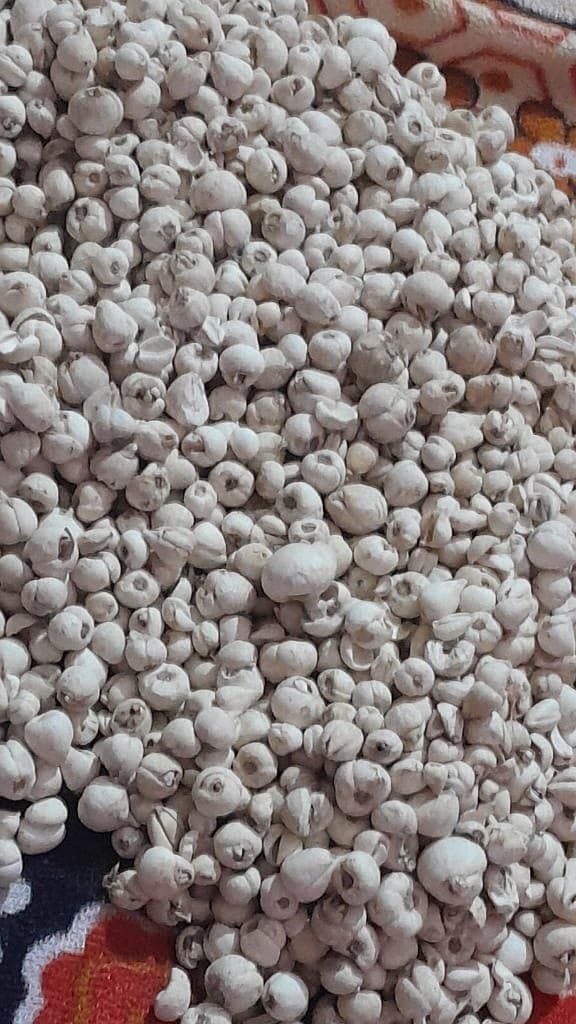
Wild harvests such as Yarsagumba and Jangli Lehsun are collected each season with local communities, cleaned and graded by hand. Nothing is formulated in isolation: every product is grown, tested and evolved with people.

  1. 01

    Cultivate→

    Herbs grown by vrikshayurveda methods in our own Himalayan plots.

  2. 02

    Understand→

    Each plant studied in its habitat — its season, its part, its purpose.

  3. 03

    Formulate→

    Classical Ayurvedic wisdom combined with modern phytochemistry.

  4. 04

    Refine→

    Formulations tested, observed and improved together with people.

  5. 05

    Share

    Offered with clear information, honestly and without exaggeration.

From our farms & meadows

Where it begins matters.

These are not stock photographs. They are our harvests — Yarsagumba drying on a tray, wild garlic held in a palm, roots sorted at a mountain camp. This isn't a brand that discovered herbs yesterday. It is a family that has spent a lifetime in the meadows where they grow.

Yarsagumba emerging from alpine soil

In the meadow

Close-up of harvested Yarsagumba

Cleaned by hand

A season's harvest of wild Himalayan garlic

The season's yield

  1. Soil
  2. Plant
  3. Harvest
  4. Ingredient
  5. Formulation
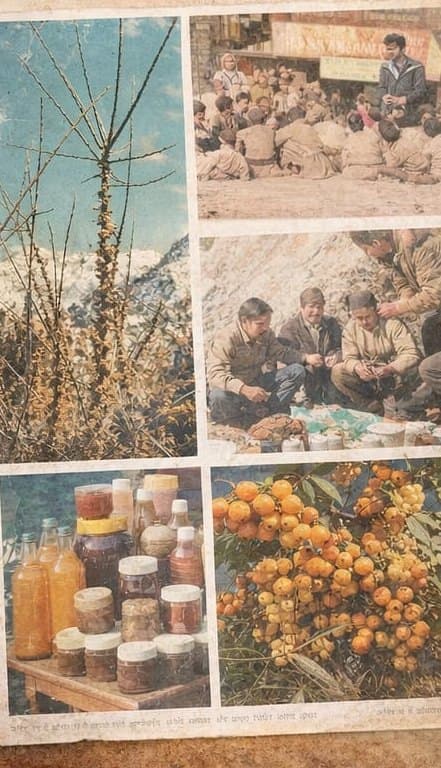
Archive photographs of field research and community training in the Himalaya
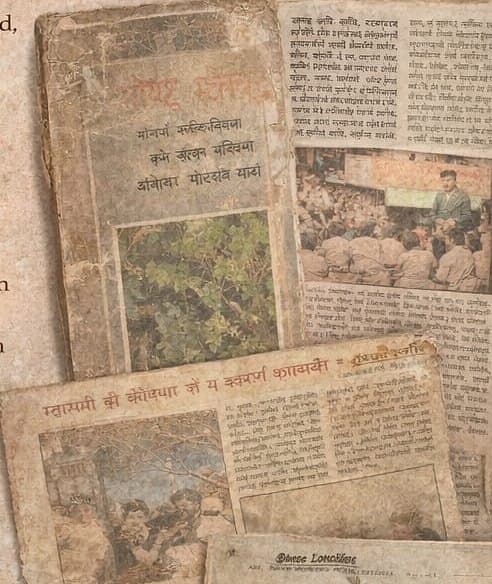
Newspaper clippings documenting decades of conservation work
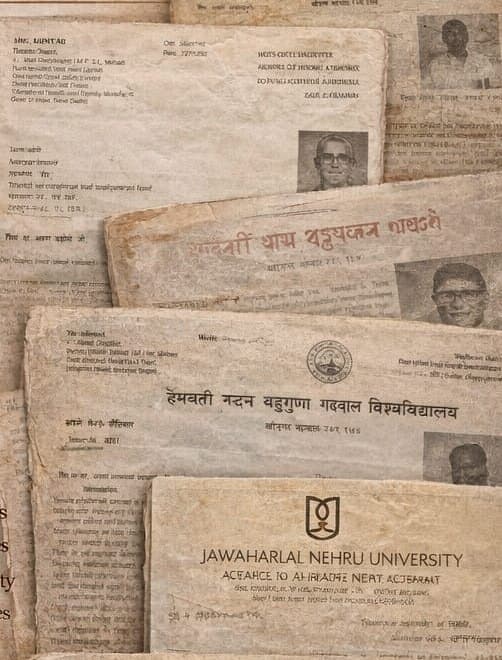
Letters and certificates from research institutions

From the archive — four decades of fieldwork

The people behind the formulations

Knowledge grows with the plants.

MAKS Herbal is guided by Dr. Arun Kumar Badoni, an ethnobotanist and Himalayan herbal researcher who has spent more than forty years in applied and participatory research across the Himalaya — documenting medicinal plants in their habitats, conserving endangered species, and training farmer-led cultivation.

Long before there were products, there was fieldwork: identifying plants with local communities, recording how they were traditionally used, and publishing on biodiversity and conservation. This work has been acknowledged by institutions including CIMAP, Jawaharlal Nehru University and HNB Garhwal University.

Every MAKS formulation is built on that foundation — knowledge that was lived before it became a system.

“Healing is not a product. It is a restoration of nature within you.”
— Dr. Arun Kumar Badoni, Founder
Meet Dr. Badoni →
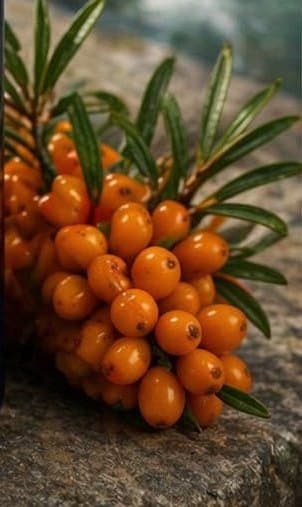
A cluster of ripe seabuckthorn berries with their narrow silver-green leaves

A feature

The golden berry of the Himalaya.

A thorny shrub that thrives where little else can, bearing one of the most nutrient-dense fruits known. Seabuckthorn is at the heart of most MAKS formulations — here is why.

Read the story →

Curious about a formulation?

Whether you would like to know more about a product, its ingredients or its intended use — or you are a practitioner, distributor or potential collaborator — we would be glad to hear from you.